
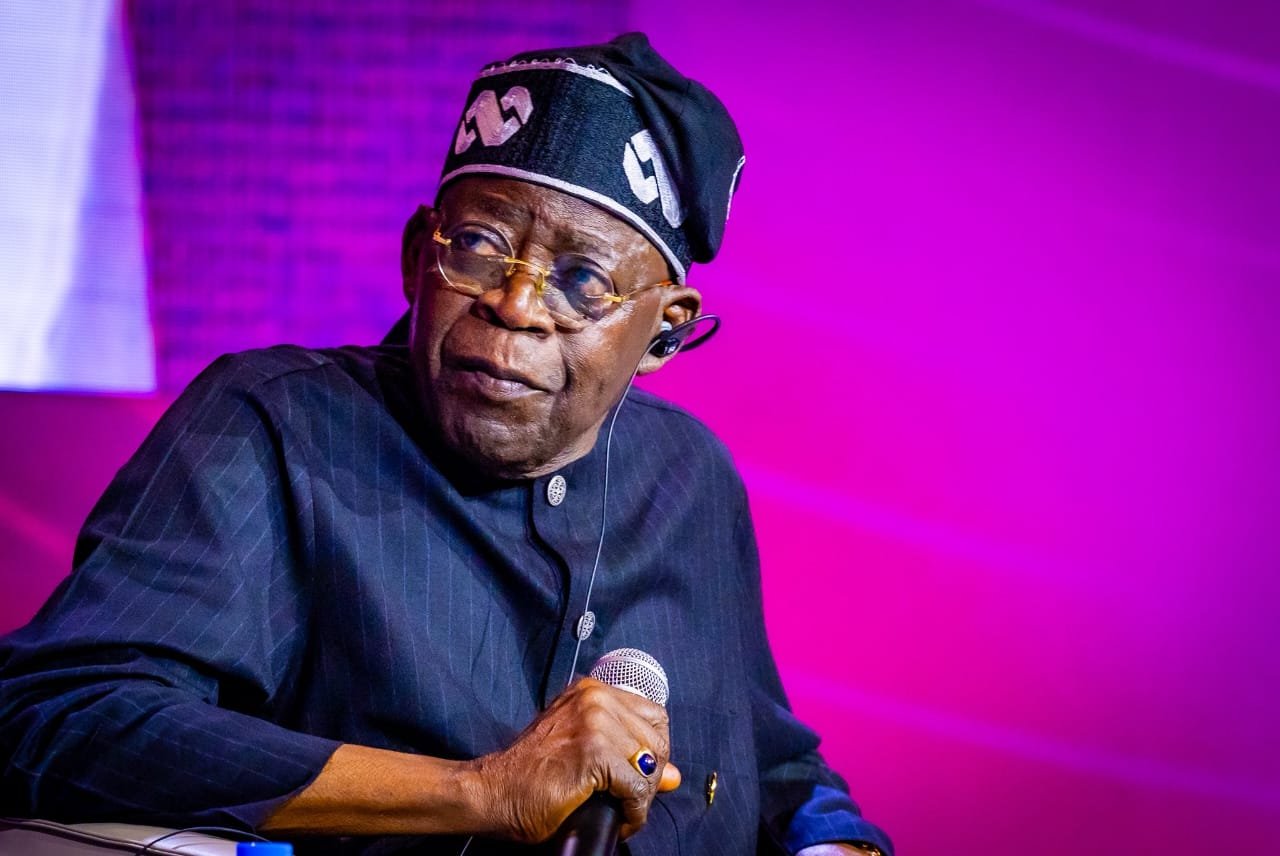
New initiatives target healthcare, education, displaced persons, and community resilience across Nigeria.
President Bola Tinubu has unveiled five coordinated social and development programmes valued at approximately $3.05 billion, describing them as a major intervention aimed at reducing poverty, strengthening community resilience, and investing in Nigeria’s human capital.
The programmes include the Nigeria Community Action for Resilience and Economic Stimulus Additional Financing (NG-CARES), the Solutions for Internally Displaced Persons and Host Communities (SOLID) initiative, and the Human Capital Opportunities for Prosperity and Equity (HOPE) package comprising HOPE Gov, HOPE PHC, and HOPE Edu.

Represented by the Minister of Finance and Coordinating Minister of the Economy, Taiwo Oyedele, Tinubu said the initiatives were designed to translate recent economic reforms into tangible benefits for Nigerians at the grassroots.
“These five programmes are not separate efforts. They are one coordinated national strategy for poverty reduction, human capital development and community resilience,” the President said.
According to him, the interventions will address livelihoods, healthcare, education, social protection, and support for displaced communities, while mitigating the impact of the global cost-of-living crisis driven by conflicts in Ukraine and the Middle East.
Minister of Health and Coordinating Minister of Social Welfare, Prof. Muhammad Ali Pate, disclosed that the $570 million HOPE PHC programme is expected to improve healthcare delivery for about 40 million Nigerians through the revitalisation of primary healthcare centres and performance-based financing.
Pate revealed that over 3,000 primary healthcare centres have been upgraded, with an additional 1,000 nearing completion, while more than 69,000 frontline health workers have received training.
Similarly, Minister of Education, Dr. Tunji Alausa, said the $562 million HOPE Edu programme would benefit nearly 30 million children in 65,000 public schools nationwide, while supporting 500,000 teachers and expanding school infrastructure.
“Education remains the biggest investment any responsible government can make for its citizens,” Alausa stated.
The Minister of Humanitarian Affairs and Poverty Reduction, Dr. Bernard Doro, said the programmes underscore the administration’s commitment to ensuring that no Nigerian is left behind, particularly vulnerable and displaced populations.
World Bank Country Representative, Matthew Burges, described the initiatives as strategic investments in Nigeria’s people, while Ondo State Governor Lucky Aiyedatiwa, representing the Nigeria Governors’ Forum, pledged the support of all 36 states for their successful implementation.
The National Assembly also assured the Federal Government of legislative backing, with Senate President Godswill Akpabio, represented by Senator Mohammed Sani Musa, promising robust oversight to ensure the programmes achieve their objectives.