
Foreign ministers agree to strengthen preventive diplomacy and seek continental measures against rising attacks on African migrants.
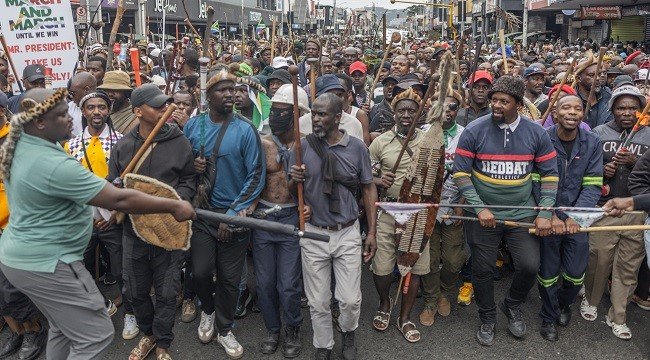
Nigeria and Ghana have agreed to deepen collaboration and strengthen preventive diplomacy to curb the resurgence of Afrophobic attacks across Africa, particularly following recent protests and incidents targeting African nationals in South Africa.
The agreement was reached during a meeting between Nigeria’s Minister of State for Foreign Affairs, Ambassador Sola Enikanolaiye, and Ghana’s Minister of Foreign Affairs, Samuel Okudzeto Ablakwa, on the sidelines of the ECOWAS Mid-Year Summit in Freetown, Sierra Leone.

According to a statement issued on Saturday by the spokesperson for Nigeria’s Ministry of Foreign Affairs, Kimiebi Ebienfa, both ministers stressed the need for increased consultation and strategic cooperation to address issues before they escalate into major diplomatic or humanitarian crises.
They expressed concern over the resurgence of Afrophobic sentiments and violence, noting that such acts undermine the principles of African unity, free movement, and regional integration enshrined in the African Union’s Constitutive Act and the African Continental Free Trade Area (AfCFTA).
The ministers condemned xenophobia, intolerance, and violence against Africans, insisting that criminal acts by individuals should be addressed through lawful means rather than mob actions targeting innocent migrants.
Nigeria and Ghana also agreed to push for the inclusion of Afrophobia on the agenda of the next African Union Summit and pledged to work with other member states to establish stronger continental mechanisms, including early warning systems, enhanced monitoring, and preventive diplomacy.
The meeting further reaffirmed the longstanding ties between both countries, with the ministers calling on African leaders to recommit to the ideals of Pan-Africanism, mutual respect, and peaceful coexistence.
Enikanolaiye commended Ghana’s leadership on reparative justice and support for people of African descent, while expressing Nigeria’s backing for recent international efforts addressing the legacy of the transatlantic slave trade.
In response, Ablakwa welcomed closer cooperation with Nigeria and advocated more direct and action-oriented diplomacy to address emerging challenges across the continent.
Both countries pledged to continue working together to promote African solidarity and safeguard the rights and dignity of citizens across the continent.