The exercise tested new accreditation devices and result-upload systems across the country, but reports emerged of delayed materials and low voter turnout in some locations.
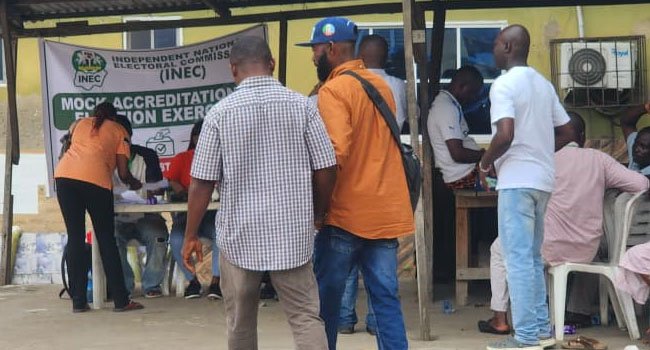
The Independent National Electoral Commission (INEC) on Saturday conducted a nationwide mock accreditation and result transmission exercise across the 36 states and the Federal Capital Territory ahead of the 2027 general elections.
The exercise, which covered 17,656 selected polling units, was designed to test the Commission’s upgraded Bimodal Voter Accreditation System (BVAS) and result-upload procedures under live conditions.

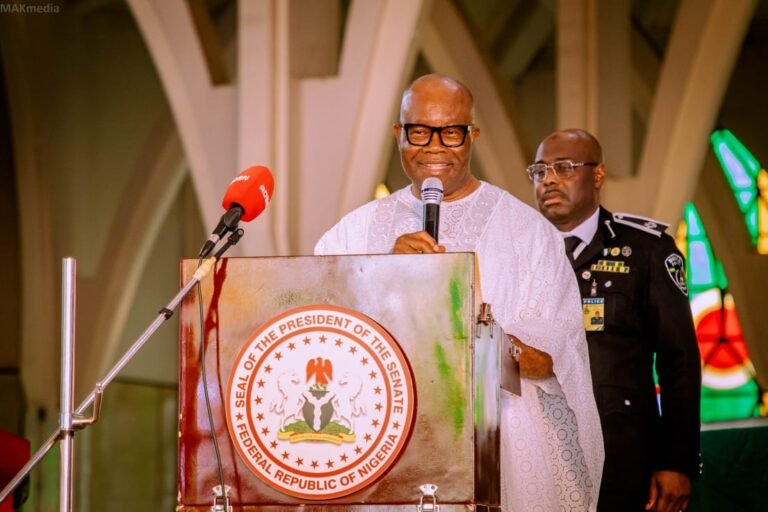
INEC Chairman, Professor Joash Amupitan, had announced the exercise at the INEC and Office of the National Security Adviser Strategic Election Security Conference in Abuja on Thursday.
He said the exercise would allow the Commission to assess its upgraded BVAS devices, test safeguards on the INEC Result Viewing Portal (IReV) and identify possible security and logistical challenges before the elections.
Amupitan disclosed that INEC had procured 57,000 new BVAS devices and would deploy more than 1.41 million ad hoc personnel for the 2027 elections. He added that the machines had been calibrated to handle a reduced threshold of 850 voters per device.
The presidential and National Assembly elections are scheduled for January 16, 2027, while governorship and State Houses of Assembly elections will hold on February 6.
The mock exercise was designed to simulate the presidential election, with polling units expected to open at 8:30 a.m. and accreditation scheduled to run until 2:30 p.m.
Amupitan urged Resident Electoral Commissioners and Commissioners of Police to use the exercise to assess communication systems, emergency response arrangements and security around polling centres.
During the exercise, the INEC chairman inspected selected polling units in Jos, Plateau State, including locations at Obasanjo Model School in Jos South Local Government Area.
In Rivers State, Resident Electoral Commissioner Johnson Sinikiem expressed optimism about the performance of the accreditation and result transmission systems.
However, logistical challenges were reported in Obio/Akpor, prompting the REC, Dr Johnson Alalibo, and the Administrative Secretary, Angela Ebodaghe, to visit polling units to assess the situation.
In Lagos, Resident Electoral Commissioner Ayobami Salami expressed confidence in the effectiveness of the Commission’s accreditation tools and processes.
Meanwhile, the exercise faced complaints in Imo State over the late arrival of election materials, with some residents questioning the delay beyond the scheduled 8:30 a.m. commencement time.
Executive Director of Yiaga Africa, Samson Itodo, also criticised the conduct of the exercise, describing it as “abysmally done” in an interview with Channels Television.
Itodo attributed the low voter turnout recorded in several locations largely to inadequate public sensitisation by INEC.
In Bauchi State, however, a voter who participated in the exercise at about 9:15 a.m. told Channels Television correspondent Hajara Aliyu that accreditation and voting were conducted without difficulties and took approximately three minutes.