
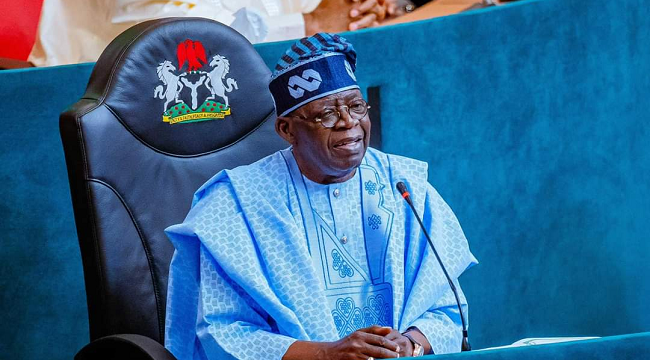
Zacch Adedeji says the reform has boosted government revenue and transformed the economy despite its impact on living costs.
The Chairman of the Nigeria Revenue Service (NRS), Zacch Adedeji, has described the removal of petrol subsidy as the best economic decision to have happened to Nigeria, urging Nigerians to commend President Bola Tinubu for taking the step.
Adedeji made the remarks during an interview on Channels Television’s Sunday Politics, where he attributed several positive economic developments recorded by the Federal Government to the subsidy removal.

He described the former subsidy regime as unsustainable and detrimental to the economy, arguing that it had persisted for decades despite its financial burden on the country.
All the good results that I will reel out soon come as a result of that courageous decision. So, it is not a mistake; it is the best thing that has happened to this country. Subsidy was evil and had been with Nigeria for decades, Adedeji said.
The NRS chairman said President Tinubu inherited an economy burdened by an unsustainable petrol subsidy, an underperforming oil sector and a narrow tax base.
He said the administration had taken fundamental measures to address the structural challenges and urged Nigerians to assess the reforms based on their long-term economic impact rather than emotions.
Adedeji also challenged opposition figures seeking to contest the 2027 presidential election to explain how they would handle the country’s economic challenges differently.
What the President deserves now is support and commendation for being a statesman and not a politician. Anybody who says he is coming to contest, just ask them, ‘What will you do differently?’ he said.
He questioned whether critics of the administration believed it was wrong to remove petrol subsidy and unify the foreign exchange market.
The NRS chairman further argued that retaining the subsidy would have placed a heavier burden on government finances, particularly amid global energy market pressures and the economic effects of the Iran crisis.
According to him, Nigeria’s subsidy bill could have risen to about ₦53 trillion if the policy had remained in place, while the naira could have weakened to about ₦3,500 per dollar.
President Tinubu announced the removal of petrol subsidy in his inaugural address on May 29, 2023, resulting in a sharp increase in petrol prices and higher transportation, food and production costs.
The reform has, however, increased government revenue and boosted allocations to the Federal, state and local governments through the Federation Account.
Despite the improvement in government finances, the removal of subsidy has continued to attract criticism over its impact on household incomes and the rising cost of living.