
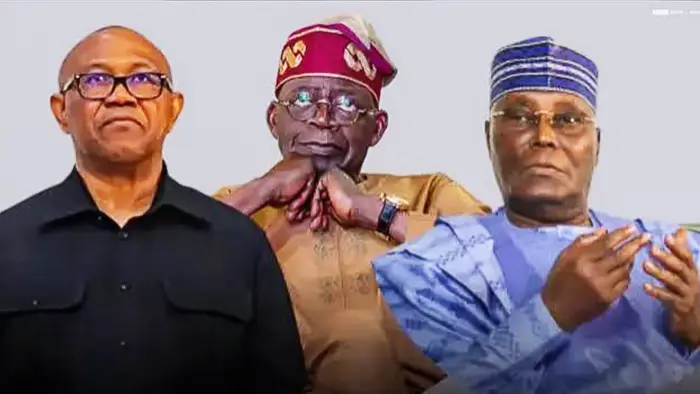
Obi backs subsidy removal but demands proper management of savings, while Sowore says governors and elites have benefited most from the policy.
Presidential candidates Peter Obi and Omoyele Sowore have rejected former Vice-President Atiku Abubakar’s proposal to restore petrol subsidy if elected president in 2027.
Obi, the presidential candidate of the Nigeria Democratic Congress (NDC), said subsidy removal remained necessary, arguing that the failure of successive governments to properly manage the savings should not justify reversing the policy.
Speaking at the Nigerian Bar Association (NBA) conference in Port Harcourt, Rivers State, Obi said the government should have implemented measures to cushion the impact of subsidy removal while investing the savings in productive sectors of the economy.
He alleged that resources recovered from the policy had been poorly managed and, in some cases, stolen. Obi said he had advocated an organised approach to subsidy removal during the 2023 presidential election, with the savings to be properly invested.
Sowore, the African Action Congress (AAC) presidential candidate, also opposed a return to the former subsidy regime but criticised the way the policy had been implemented.
Speaking at the NBA conference, Sowore argued that the benefits of subsidy removal had largely accrued to state governors and the elite rather than ordinary Nigerians.
He said successive governments had repeatedly announced the removal of petrol subsidy without addressing the underlying challenges, stressing that any discussion on fuel subsidy must be linked to a comprehensive transportation policy.
Meanwhile, the Human Rights Writers Association of Nigeria (HURIWA) backed the temporary restoration of a transparently administered petrol subsidy to cushion the impact of rising fuel prices and the worsening cost of living.
In a statement by its National Coordinator, Emmanuel Onwubiko, HURIWA demanded the full disclosure and independent audit of the trillions of naira the Federal Government says it saved following the removal of subsidy in 2023.
The group said subsidy was not inherently harmful but had been undermined by alleged corruption and abuse, arguing that economic reforms should be accompanied by transparency, accountability and measures that improve citizens’ welfare.