
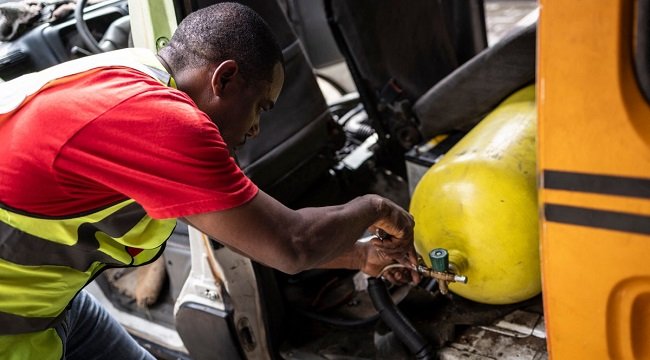
President says new stations will expand Nigeria’s CNG network to 1,000 as governors commit to reducing transport costs.
President Bola Tinubu has directed the rollout of 500 additional Compressed Natural Gas (CNG) refuelling stations across Nigeria as part of efforts to reduce transportation costs following the removal of petrol subsidy.
President Tinubu gave the directive on Thursday after meeting with state governors, who he said had agreed to take immediate steps to lower transport fares in their respective states by adopting cheaper energy sources, including CNG and electric vehicles.

The additional stations will bring the Federal Government’s planned CNG refuelling network to 1,000 nationwide, with Tinubu saying the initiative is aimed at ensuring Nigerians benefit from the lower operating costs of CNG-powered vehicles.
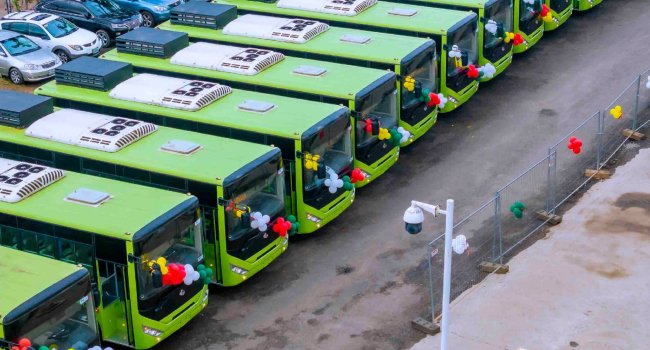
The President said CNG-powered vehicles could spend between 60 and 80 per cent less on fuel than petrol-powered vehicles, adding that the government’s target was for commuters to begin enjoying lower fares from October 1.
President Tinubu said more than 120,000 vehicles had already been converted to CNG, while over 100,000 additional conversion kits were being processed. He added that the government was expanding conversion centres and refuelling infrastructure across the country.
Through the Midstream and Downstream Gas Infrastructure Fund, more than 100 gas projects are also being financed, including 15 CNG mother stations and 86 daughter stations.
The President said the Federal Government and state governments must work together to ensure that savings from cheaper energy translate into affordable transportation for Nigerians.
The CNG expansion forms part of the administration’s broader response to the economic impact of petrol subsidy removal, which has significantly increased transportation and living costs since 2023.
The policy has also become a major issue ahead of the 2027 general elections, with former Vice President Atiku Abubakar pledging to restore a targeted petrol subsidy if elected president.
For the Tinubu administration, expanding CNG infrastructure remains a key strategy for reducing dependence on petrol and easing transportation costs nationwide.