
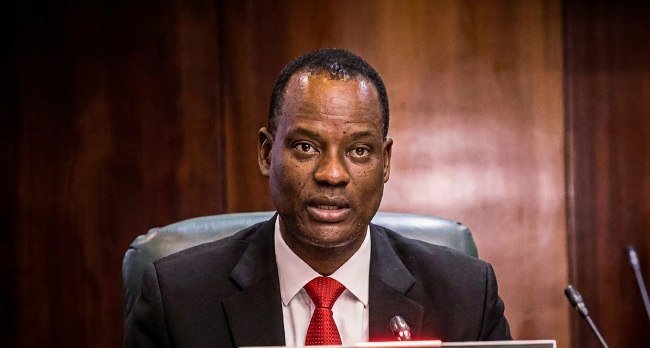
… Finance minister urges changes to IMF quotas, debt restructuring, climate financing and global tax cooperation to address economic challenges facing developing countries.
Nigeria’s Minister of Finance and Coordinating Minister of the Economy, Taiwo Oyedele, has called for comprehensive reforms of the International Monetary Fund (IMF) and the World Bank to strengthen developing economies and improve their representation in global financial decision-making.
Oyedele made the call while presenting the Group of Twenty-Four (G-24) 2026 annual meeting communiqué in Bangkok, Thailand, on the sidelines of the World Bank and IMF Annual Meetings.
He said geopolitical conflicts, trade uncertainties, volatile commodity prices and climate shocks were threatening global economic growth, with emerging markets and developing economies bearing a disproportionate share of the impact.
According to the minister, these challenges were undermining efforts by developing countries to create jobs, achieve inclusive growth and transform their economies.
Oyedele urged the IMF to review its quota system to reflect the current economic positions of member countries and protect the representation of developing economies in the institution’s decision-making processes.
He also called for IMF-supported programmes to safeguard social spending and investment, warning against excessive economic adjustments that could undermine recovery.
On debt management, the minister advocated coordinated debt restructuring, greater transparency and improved credit-rating assessments to address rising debt vulnerabilities among developing countries.
He further called for more equitable climate action, urging development banks to mobilise at least $300 billion in private financing annually by 2035.
Oyedele stressed the need for stronger international tax cooperation to curb profit-shifting, tax avoidance and illicit financial flows, which deprive countries of revenue needed to fund development.
He maintained that restoring confidence in the global economy required a stronger multilateral system that respected national sovereignty and upheld the principles of the United Nations Charter.