
Introduction to Nigeria’s Environments
Nigeria, a country located in West Africa, is renowned for its diverse environmental landscapes. From lush rainforests to arid savannahs, Nigeria’s various ecosystems contribute significantly to its cultural richness and biodiversity. Understanding these environments is crucial for appreciating the country’s natural heritage and its ecological significance.
Forest Ecosystems
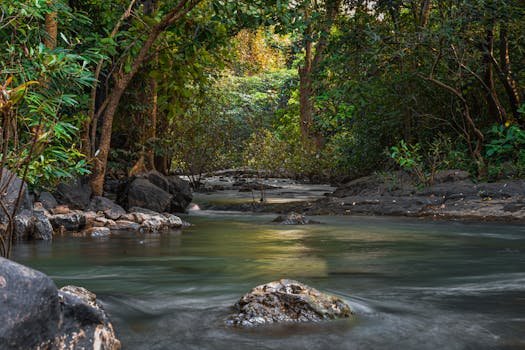
The southern part of Nigeria is primarily covered by expansive tropical rainforests. These forests host a plethora of unique flora and fauna, including endangered species such as the Cross River gorilla and the Nigerian chimpanzee. The rich biodiversity found here not only supports countless wildlife species but also plays a vital role in climate regulation, making forest conservation a priority for environmental protection in Nigeria.

Savannah and Grassland Environments
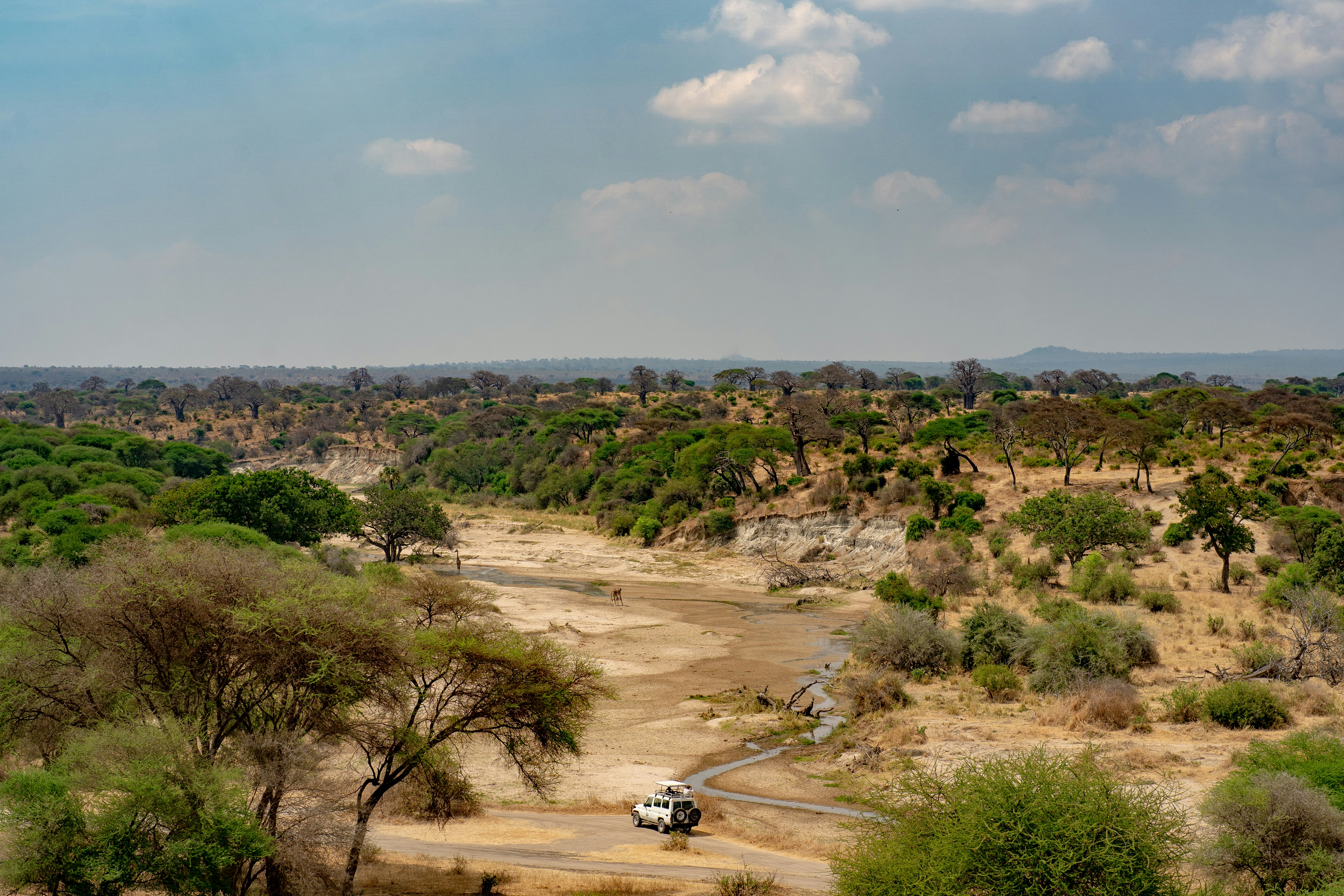
In contrast, the northern region of Nigeria features vast savannahs and grasslands. This environment is characterized by seasonal rainfall, with grasses dominating the landscape. The savannah is home to various wildlife, including lions, elephants, and numerous bird species. These areas are essential for pastoral communities, who rely on them for grazing livestock.
Conclusion
Nigeria’s diverse environments offer a unique glimpse into the country’s ecological tapestry. From the captivating rainforests in the south to the expansive savannahs in the north, each environment presents its challenges and opportunities for conservation efforts. By understanding these ecosystems, we can work towards sustainable management practices that protect Nigeria’s natural heritage for future generations.