
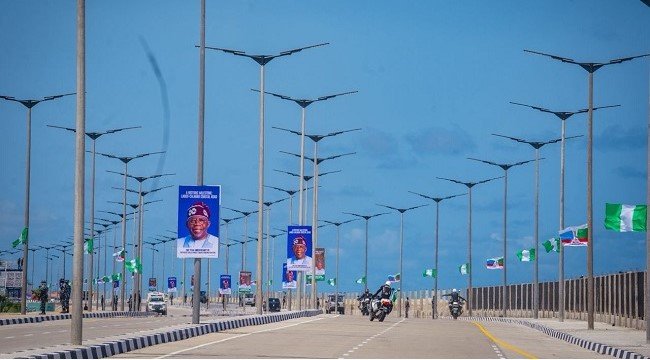
The House of Representatives has urged the Federal Ministry of Works to review the proposed realignment of the Lagos-Calabar Coastal Highway and preserve the project’s original concept.
The resolution followed a motion highlighting concerns about the proposed route changes and their potential impact on coastal communities, connectivity and economic development.
Lawmakers warned that alternative routes could undermine the highway’s original objectives if their engineering requirements, environmental effects, socioeconomic implications and total lifecycle costs were not independently assessed.
They called for any assessment to consider additional construction costs, including longer road distances, bridges, ground improvement, environmental mitigation, compensation, flood protection and long-term maintenance.
The House also identified possible engineering solutions, including soil stabilisation, geosynthetics, piled foundations, reinforced embankments and elevated viaducts, subject to site-specific technical and environmental assessments.
Where the main dual carriageway is diverted inland because of deep water pits and unstable terrain, lawmakers urged the provision of reinforced coastal feeder roads to reconnect isolated maritime and fishing communities to the highway.
The House further directed the Ministry of Works to submit the project’s Environmental Impact Assessment (EIA) to the relevant committee for scrutiny, stressing that environmental assessments should precede construction work.
The resolution comes amid debate over the highway’s proposed realignment. Works Minister Dave Umahi had said the reconstruction of the East-West Road from Edo to Cross River was an additional project that would not affect the coastal highway’s original alignment.
However, concerns remain over how the proposed route changes could affect access and connectivity for coastal communities.