Proposed legislation seeks to license crypto operators, protect investors and align Nigeria’s digital asset sector with global standards.
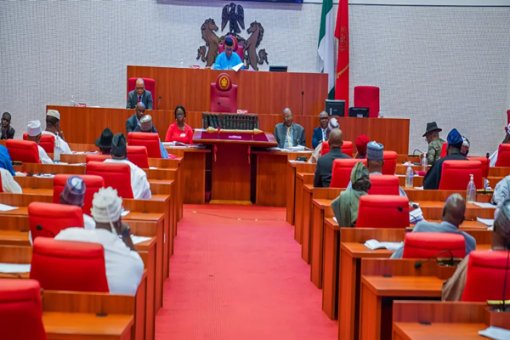
The Senate on Tuesday passed the Virtual Asset Service Providers (VASP) Regulation Bill, 2026, for second reading, marking a significant step towards establishing a legal framework for cryptocurrency and digital asset operations in Nigeria.
The bill, sponsored by Deputy Senate President Senator Jibrin Barau, seeks to create a comprehensive regulatory structure for virtual assets, digital assets and cryptocurrency service providers. It would also make licensing, transparency and compliance mandatory for operators in the sector.

Leading the debate, Senator Tahir Monguno, who presented the bill on behalf of Barau, said Nigeria remains one of Africa’s largest cryptocurrency markets despite lacking a clear legal framework to regulate the industry.
Lawmakers argued that proper regulation would protect investors, curb fraud, tackle illicit financial activities and encourage innovation within the country’s growing digital economy.
Barau noted that while cryptocurrency adoption continues to rise, the absence of oversight poses risks, including black-market transactions, money laundering and other criminal activities. He said the bill is designed to promote accountability, transparency and consumer protection rather than restrict innovation.
Contributing to the debate, Senator Natasha Akpoti-Uduaghan stressed the need for a stronger regulatory environment to support technology-driven businesses and prevent local innovators from relocating abroad.
Senator Adams Oshiomhole also backed the proposal, urging lawmakers to fast-track its passage, while Senator Adetokunbo Abiru called for harmonisation with existing financial laws, including the Investments and Securities Act and the Banks and Other Financial Institutions Act (BOFIA).
The proposed legislation is expected to align Nigeria’s regulatory framework with international standards recommended by the Financial Action Task Force (FATF) and the International Monetary Fund (IMF).
Following deliberations, the Senate referred the bill to the Committee on Capital Market for further legislative work and directed it to submit its report within four weeks.
If eventually passed into law, the bill would provide regulators with the authority to license operators, combat fraud and strengthen oversight of Nigeria’s rapidly expanding digital asset ecosystem.